

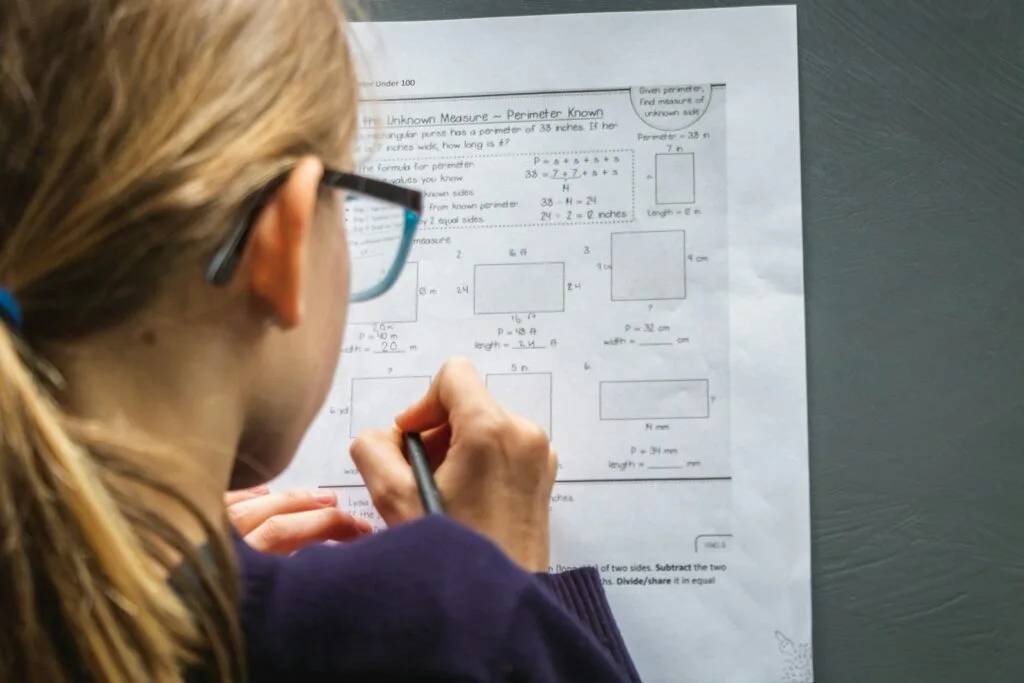
Homework is meant to reinforce learning, build discipline, and improve academic performance. However, for many students, it becomes a source of stress, confusion, and frustration. Schools expect students to complete assignments independently, but without proper guidance, time management, or understanding, many learners fall behind.
According to several educational studies, thousands of students struggle with homework because of poor comprehension, lack of motivation, distractions, and an overwhelming workload. A Case Study approach to this issue reveals deeper emotional, environmental, and cognitive factors influencing performance.
This detailed guide explains why students face homework challenges and provides practical, research-backed solutions to help them overcome these barriers. Whether you are a student, parent, or educator, understanding these root causes can transform homework from a daily struggle into a structured, productive habit.

Understanding the Purpose of Homework
Before examining the struggle, it’s important to understand why schools assign homework in the first place. Homework reinforces what is taught in class, develops self-learning habits, and builds long-term retention.
When implemented effectively, homework helps students:
• Strengthen foundational concepts
• Practice problem-solving
• Improve writing and analytical skills
• Build discipline and responsibility
• Prepare for future academic challenges
However, if homework is poorly designed or overwhelming, it can have the opposite effect—causing stress, burnout, and academic disengagement.
Common Reasons Students Struggle With Homework
Students often experience difficulties for multiple reasons. These are not just academic barriers but emotional, behavioral, and environmental issues that influence learning.
Lack of Conceptual Understanding
One of the biggest reasons students struggle is that they do not fully understand the lesson taught in class. Without clarity, homework becomes guesswork.
This often happens when:
• The lesson is rushed
• Teachers don’t personalize explanations
• Students hesitate to ask questions
• Learning gaps accumulate over time
• The topic is abstract or complex
Without conceptual clarity, homework becomes frustrating and time-consuming.
Poor Time Management
Students juggle multiple subjects, extracurricular activities, family responsibilities, and digital distractions. Without proper time management, homework gets delayed or rushed.
Common time-related challenges include:
• Not knowing how to prioritize tasks
• Underestimating the time required
• Procrastination
• Fatigue after school hours
• Not having a structured routine
Time mismanagement leads to unfinished tasks, poor-quality submissions, and increased stress.
Digital Distractions
Phones, social media, and gaming apps are the leading cause of distracted study sessions. Even with good intentions, students quickly lose focus.
Distractions affect homework when students:
• Keep their phone nearby
• Switch between apps and assignments
• Engage in multitasking (which reduces productivity)
• Use the internet without filters or limits
Research shows that even short digital interruptions can lower academic performance significantly.
Lack of Motivation
Motivation is essential for effective learning. Many students struggle simply because they don’t feel inspired or see value in the assignment.
Reasons for low motivation include:
• Assignments feel repetitive or boring
• No real-world relevance
• Fear of failure
• Overwhelming workload
• Emotional fatigue or stress
A lack of motivation turns homework into a burden rather than a learning opportunity.
Stress, Anxiety & Emotional Barriers
Academic pressure can create anxiety, making it difficult for students to focus or think clearly.
Some experience:
• Test anxiety
• Fear of making mistakes
• Pressure from parents or teachers
• Fear of academic judgment
• Low self-confidence
These emotional challenges can turn even simple tasks into overwhelming obstacles.
Learning Difficulties
Some students have undiagnosed or unaddressed learning challenges that make homework much harder.
Common difficulties include:
• Dyslexia
• ADHD
• Language-processing delays
• Difficulty with reading comprehension
• Slow writing speed
Without proper support, students may feel discouraged and fall behind.
Unsupportive Study Environment
Homework is more difficult when the environment is noisy, disorganized, or stressful.
Common environmental issues include:
• Noise from TV or siblings
• Lack of a study space
• Chaotic household schedules
• Poor lighting or ergonomics
A good environment is essential for productive homework sessions.
Too Much Homework
Overloaded assignment schedules leave students drained.
Excessive work leads to:
• Burnout
• Lack of sleep
• Poor comprehension
• Rushed answers
• Reduced creativity
Sometimes, the volume—not the difficulty—is the problem.
Lack of Access to Resources
Some students do not have access to the tools needed to complete homework effectively.
Missing resources include:
• Reference books
• Internet access
• Study materials
• Proper stationery or printing access
• Teacher guidance
Without these essentials, homework becomes significantly harder.
Deeper Psychological Reasons Behind Homework Struggles
Homework difficulty does not always come from academic gaps.
Often, deeper emotional and psychological factors influence a student’s ability to learn, concentrate, and complete tasks efficiently.
Educational psychology offers several insights into why students lose focus, avoid tasks, or feel overwhelmed.
Fear of Failure
Many students avoid homework because they fear getting answers wrong.
This fear is shaped by:
• Pressure to score high marks
• Past negative experiences
• Comparison with peers
• Harsh feedback from adults
• Self-critical thinking
Fear of failure creates mental paralysis.
Even if the homework is manageable, the emotional burden makes the student avoid starting it.
Low Self-Efficacy
Self-efficacy refers to a student’s belief in their ability to complete academic tasks.
Students with low self-confidence often say:
“I can’t do this.”
“This is too hard.”
“I’m not smart enough.”
This mindset prevents them from even attempting the work.
Low self-efficacy grows when:
• Students don’t get personalized feedback
• They have repeated academic setbacks
• Teachers undervalue their progress
• Parents unintentionally reinforce negative beliefs
Boosting self-efficacy is crucial for improving homework consistency.

Emotional Exhaustion
After a full day of school, students experience cognitive fatigue.
Homework requires sustained mental energy—but many students simply do not have it at the end of the day.
Fatigue is caused by:
• Long school hours
• Lack of breaks
• Excessive screen time
• Emotional stress
• Poor sleep habits
A tired brain cannot process information effectively, making homework feel like an impossible task.
Perfectionism
While it seems positive, perfectionism can severely hinder academic performance.
Students who want everything to be flawless often:
• Spend too much time on small details
• Rewrite tasks repeatedly
• Avoid finishing work out of fear it’s “not perfect”
• Overthink instructions
Perfectionism creates anxiety and delays, turning a simple assignment into hours of struggle.
Procrastination Habit
Procrastination is not laziness—it is often an emotional response.
Students procrastinate because:
• The task feels overwhelming
• They are unsure how to begin
• They fear making mistakes
• They lack structure
• They expect the task to be unpleasant
The longer students delay, the more stressful the homework becomes, leading to a cycle of avoidance.
Peer Pressure & Social Influence
Students sometimes avoid homework because they fear being labeled:
• “Nerdy”
• “Too serious”
• “Teacher’s pet”
In some environments, completing homework is not socially encouraged.
This pressure discourages consistent academic behavior.
Real-Life Scenarios That Reflect Homework Challenges
To understand these challenges more deeply, educational researchers often use short examples or a small Case Study to observe student behavior.
Below are real-life scenarios commonly found in schools.

Scenario 1: The Overwhelmed Learner
A student understands concepts in class but has a full after-school schedule.
By the time they get home, exhaustion prevents them from doing assignments properly.
Underlying issue: lack of energy, poor routine
Fix: Break homework into smaller time blocks, add rest periods
Scenario 2: The Distracted Learner
A student sits at a desk with a phone nearby.
Notifications constantly interrupt the session, reducing productivity.
Underlying issue: digital distraction
Fix: Use “Focus Mode,” keep phone in another room, set screen rules
Scenario 3: The Confused Learner
A student has gaps from previous years.
They never fully understood the basics, making new assignments harder.
Underlying issue: conceptual gaps
Fix: Review foundational topics first, seek teacher guidance
Scenario 4: The Anxious Learner
A student feels stressed just looking at instructions.
Fear of mistakes prevents them from starting.
Underlying issue: anxiety, fear of judgment
Fix: Use calming techniques, break tasks into micro-steps, encourage positive reinforcement
Scenario 5: The “I’ll Do It Later” Learner
A student is capable but keeps delaying.
They start homework late at night and rush through it.
Underlying issue: procrastination
Fix: Use scheduling tools, set early deadlines, create a consistent study habit
Why These Struggles Matter
Students who consistently struggle with homework often experience:
• Decline in academic performance
• Poor test results
• Reduced self-confidence
• Stress at school and home
• Decreased interest in learning
• Widening skill gaps
• Inability to manage future academic challenges
Homework difficulties, if not addressed early, can impact long-term education and confidence.
How Parents and Teachers Contribute (Sometimes Unintentionally)
Adults play a major role in how students perceive homework.
Lack of Positive Reinforcement
Some adults focus only on mistakes rather than effort.
Excessive Pressure
Parents who emphasize marks over learning can create fear and anxiety.
Unclear Instructions
If teachers do not explain tasks properly, confusion increases.
Assuming Every Child Learns the Same Way
Every learner has a different pace and style—ignoring this creates unnecessary struggle.
How to Fix Homework Struggles: Practical, Research-Based Solutions
Now that we understand why students struggle, the next step is implementing fixes that truly work. Many solutions are simple, but their impact can be significant when applied consistently.
This section offers strategies supported by educational psychology, productivity research, and real-world school observations.
Creating a Structured Homework Routine
A predictable schedule reduces stress and increases productivity.
Students perform better when they know exactly when and where to study.
An effective routine includes:
• A fixed start time
• Short breaks between tasks
• A calm study environment
• A realistic workload limit
• Planned finishing time
Routine creates discipline and eliminates decision fatigue, making it easier for students to begin assignments on time.

Breaking Homework Into Smaller Tasks
Large tasks are intimidating.
However, when broken down into smaller parts, they feel more manageable.
For example:
• Instead of “Finish history chapter,” break it into four mini-tasks
• Instead of “Solve math worksheet,” tackle five questions at a time
This micro-tasking method is widely used in productivity science because it reduces overwhelm and increases focus.
Using the Pomodoro Technique
One of the most effective methods for homework productivity is the Pomodoro Technique, which recommends:
• 25 minutes of focused work
• 5 minutes of rest
• After 4 cycles, take a longer break
Benefits include:
• Improved focus
• Reduced procrastination
• Better time awareness
• More efficient workflow
This technique is highly recommended for students who struggle to stay consistent.
Minimizing Distractions
To fix homework challenges, students must control their study environment.
Key strategies:
• Keep phone in another room
• Use browser extensions that block distracting websites
• Study in a quiet, clutter-free space
• Avoid multitasking
• Disable social media notifications during homework time
Even small distractions can break concentration and reduce productivity drastically.
Strengthening Conceptual Understanding
Most homework problems arise because students don’t fully understand the topic.
Improving conceptual clarity dramatically reduces time spent on assignments.
Ways to strengthen understanding:
• Rewatch lesson videos or teacher explanations
• Use simplified online tutorials
• Review class notes or summaries
• Practice additional examples
• Ask teachers for clarification
• Create short self-made notes
Deep understanding makes homework faster and easier.
Building Intrinsic Motivation
Intrinsic motivation—internal desire to learn—makes homework feel purposeful rather than forced.
Ways to build intrinsic motivation:
• Set personal academic goals
• Reward progress, not perfection
• Choose study methods that feel engaging
• Connect assignments to real-life applications
• Use creative learning tools like flashcards or concept maps
Students who are internally motivated learn faster and enjoy their work more.
Helping Students Overcome Anxiety
Anxiety is one of the biggest hidden obstacles to homework success.
To reduce it, students can use:
• Deep breathing exercises
• Positive affirmations
• Mindfulness techniques
• Journaling to express worries
• Visualization of positive outcomes
When the mind is calm, learning becomes easier.
Creating a Productive Study Environment
Environment shapes behavior.
A clean, comfortable study space helps students focus better.
Ideal study space should have:
• Good lighting
• A comfortable chair
• Minimal noise
• Organized materials
• A dedicated desk
• Zero electronic distractions
Consistency is key—studying in the same place trains the brain to focus automatically.
Encouraging Parental Support Without Pressure
Parents play a major role in homework success, but pressure often backfires.
Healthy parental involvement includes:
• Encouraging effort, not perfection
• Offering help only when asked
• Avoiding comparisons with other students
• Praising progress
• Creating a positive home learning environment
Children perform better in emotionally supportive environments.

Using School Resources Effectively
Schools offer many resources that students often overlook.
Helpful school resources for homework include:
• After-school tutoring programs
• Teacher office hours
• Academic clubs
• Peer study groups
• Library research support
Using these resources can significantly reduce academic stress.
Adopting Active Learning Techniques
Active learning helps students understand concepts deeply and remember them longer.
Techniques include:
• Teaching the lesson to someone else
• Creating diagrams or mind maps
• Doing practice problems
• Using flashcards
• Summarizing chapters in their own words
• Studying with short quizzes
Active learning is far more effective than passive reading.
Improving Memory Retention
Homework becomes easier when students retain information better.
Psychologists recommend:
• Spaced repetition
• Mnemonics
• Chunking information
• Visual learning aids
• Associative memory techniques
• Frequent self-testing
These tools help build long-term memory and reduce the time needed for assignments.
Developing a Homework-Friendly Mindset
Mindset is often the biggest determinant of success.
A strong mindset includes:
• Believing in improvement
• Seeing mistakes as learning opportunities
• Approaching work with curiosity
• Avoiding perfectionism
• Celebrating small wins
When students adopt a growth mindset, frustration turns into motivation.
Using Realistic Case-Based Examples to Teach Concepts
Teachers sometimes use small examples or a short Case Study to help students understand complex topics.
This approach works because real-life situations make concepts easier to relate to.
Case-based examples help students:
• Visualize the problem
• Understand the logic behind solutions
• Connect academic theories with everyday life
• Strengthen problem-solving skills
This method is especially helpful in subjects like science, business, and social studies.
Brain-Science Techniques to Improve Homework Performance
Understanding how the brain learns can drastically improve a student’s homework efficiency. Cognitive science reveals several techniques that boost memory, attention, and processing speed—making homework significantly easier.
Spaced Repetition
This method involves reviewing material at gradually increasing intervals.
For example:
Day 1 → Day 3 → Day 7 → Day 14 → Day 30
Benefits include:
• Long-term retention
• Stronger recall
• Reduced study fatigue
• Better exam performance
Spaced repetition works especially well for subjects with heavy memorization like biology, history, or languages.
Active Recall
Instead of rereading notes, students test themselves without looking at the material.
Examples include:
• Creating questions
• Using flashcards
• Covering notes and re-explaining the content
• Practicing without help
Active recall strengthens neural pathways responsible for memory and improves learning efficiency.
Chunking Information
Chunking breaks large information into small, meaningful sections.
For example:
Instead of memorizing a long paragraph, break it into:
• Idea 1
• Idea 2
• Idea 3
This makes complex material easier to understand and remember.
Using Multi-Sensory Learning
Students learn better when multiple senses are engaged.
Effective methods include:
• Drawing diagrams
• Listening to short explanation videos
• Writing summaries
• Using color-coded notes
• Explaining concepts out loud
Multi-sensory learning supports students who struggle with traditional note-taking.
The Role of Sleep in Homework Efficiency
Students who sleep well perform significantly better in homework and exams.
Sleep improves:
• Memory consolidation
• Cognitive ability
• Focus
• Problem-solving
• Mood and motivation
A tired mind cannot process homework effectively.
Students must maintain healthy sleep habits to improve learning outcomes.
How Teachers Can Help Students Struggling With Homework
Teachers play a crucial role in improving homework outcomes. Their strategies and communication style directly impact student motivation and understanding.
Provide Clear Instructions
Confusing instructions lead to frustration.
Teachers should:
• Break tasks into clear steps
• Provide written and verbal explanations
• Share examples or templates
• Give students time to ask questions
Clear instructions reduce anxiety and prevent misunderstandings.
Assign Purpose-Driven Homework
Meaningful assignments improve engagement.
Teachers should avoid busywork and focus on tasks that reinforce skills.
Effective homework should:
• Reinforce classroom learning
• Connect to real-life situations
• Promote critical thinking
• Be aligned with student ability level
Students work harder when they understand the purpose behind the task.
Offer Feedback Regularly
Feedback helps students identify strengths and areas for improvement.
Effective feedback is:
• Specific
• Constructive
• Timely
• Encouraging
• Actionable
When students receive helpful feedback, their motivation improves, and homework quality rises.
Recognize Different Learning Styles
Not every student learns the same way.
Common learning styles include:
• Visual
• Auditory
• Kinesthetic
• Read/write
Teachers who adjust homework guidelines to support learning styles reduce student frustration.
Creating Opportunities for Questions
Students often hesitate to ask questions in class.
Teachers can encourage participation by:
• Allowing anonymous question submissions
• Holding doubt-clearing sessions
• Creating after-class support hours
• Encouraging peer collaboration
When students feel safe asking questions, they complete homework with greater confidence.
How Parents Can Support Homework Success
Parents have a major impact on how students approach homework. Their attitude, support, and encouragement shape the student’s confidence and academic behavior.
Build a Predictable Home Routine
Homework should be done at the same time each day.
A consistent schedule creates stability and reduces resistance.
Parents should help children:
• Choose a fixed study time
• Plan short breaks
• Organize tasks in order of difficulty
• Create a balanced daily routine
This builds responsibility and independence.
Create a Homework-Friendly Environment
A supportive learning space includes:
• Good lighting
• Comfortable seating
• Quiet surroundings
• Organized materials
• No gadgets nearby
• Zero distractions
When the environment is optimized, students study better.
Encourage Effort, Not Perfection
Parents should praise progress, not just correct answers.
This builds confidence and reduces fear of failure.
Useful phrases include:
• “I’m proud of your effort.”
• “You’re improving every day.”
• “Mistakes help you learn.”
Positive reinforcement increases motivation.

Avoid Doing Homework for the Child
Support and guidance are helpful, but doing the work for them creates dependency.
Instead, parents should:
• Ask guiding questions
• Help break tasks into steps
• Explain concepts without giving direct answers
• Encourage independent thinking
This strengthens problem-solving skills.
Promote Healthy Lifestyle Habits
Homework difficulty increases when children are tired, hungry, or stressed.
Parents should ensure:
• Regular meals
• Healthy snacks
• Proper hydration
• Adequate sleep
• Physical activity
• Limited screen time
A healthy mind and body improve academic performance.
Using Technology Wisely
Technology can help students learn better—when used correctly.
Helpful digital tools include:
• Note-taking apps
• Language-learning apps
• Subject tutorials
• Homework planners
• Focus timers
• Online libraries
Technology should support learning, not distract from it.
Developing Long-Term Study Habits
Homework success comes from consistent habits, not one-time fixes.
Important long-term habits include:
• Setting academic goals
• Reviewing notes daily
• Practicing problem-solving
• Maintaining a homework journal
• Building a growth mindset
• Reflecting on mistakes
• Using planners or calendars
These habits make learning easier over time.
Introducing Realistic Examples
Teachers sometimes use real-life examples or a brief Case Study to show students how others overcome homework struggles.
This practical approach helps students relate to challenges and solutions more effectively.
Conclusion
Homework challenges are far more complex than they appear on the surface. What seems like a simple academic task is often shaped by emotional pressure, conceptual gaps, distractions, low motivation, poor routines, and a lack of the right guidance. When these issues accumulate, students begin to associate homework with stress instead of learning. However, as explored throughout this guide, these struggles are not permanent. They can be reduced—and even eliminated—through structured routines, clear explanations, improved study habits, emotional support, and evidence-based learning strategies.
Teachers, parents, and students each play a crucial role in transforming the homework experience. When educators provide clear instructions, meaningful assignments, and helpful feedback, students become more confident. When parents create a peaceful learning environment and encourage effort over perfection, children feel safe to try, fail, and improve. And when students follow well-structured study methods, manage distractions, and use cognitive techniques like spaced repetition or active recall, homework becomes not only easier but more meaningful.
For learners who still find homework overwhelming—despite trying their best—external academic support can make a major difference. AssignPro Solution provides clarity-focused guidance, sample explanations, structured academic support, and practical learning tools that help students understand their tasks instead of memorizing them blindly. Whether it’s organizing assignments, strengthening foundational concepts, or understanding real-life examples through a Case Study approach, AssignPro helps students build confidence and independence.
Homework doesn’t have to be a daily struggle. With the right strategies, support, and mindset, every student can turn it into an opportunity for growth, discipline, and long-term academic success.