
Quick Answer: Most dissertation methodology problems come from a handful of avoidable mistakes — choosing a method out of familiarity rather than fit, skipping a clear rationale, or leaving ethics and piloting until too late. This guide walks through ten common mistakes UK students make in the methodology chapter, and how guidance-based support from AssignPro Solution can help you catch and correct them before they cost you time.
Key Takeaways
- The methodology chapter is where many dissertations lose marks — often for structural reasons, not lack of effort.
- Most mistakes fall into a few categories: poor fit, weak justification, and problems discovered too late to fix easily.
- AssignPro Solution’s role is to help you understand and strengthen your methodology yourself, not to write it for you.
- Catching these issues early, ideally before data collection begins, saves significant rework later.
The methodology chapter is often where a dissertation quietly goes wrong. Unlike a weak paragraph in your literature review, a flawed methodology can undermine the credibility of everything that follows it — your data, your analysis, your conclusions. And because it’s usually written under time pressure, after months spent reading rather than designing, it’s also one of the easiest chapters to get wrong without realising it until a supervisor or examiner raises the question.
None of the ten mistakes below are unusual. They show up across disciplines, from Business dissertations built around surveys to Nursing research built around qualitative interviews. What varies is not whether these problems occur, but whether they’re caught early enough to fix without disrupting the rest of the project.
Part of what makes methodology mistakes so persistent is that they’re difficult to see from inside your own project. By the time you reach the methodology chapter, you’ve usually spent weeks or months immersed in your literature review, and it’s easy to carry assumptions forward without stepping back to test them against the actual research question. A second perspective — someone asking “why this method, specifically?” — often surfaces problems that would otherwise stay invisible until a supervisor meeting or, worse, until after data collection has already begun.

1. Choosing a Methodology for Familiarity, Not Fit
A common starting point is choosing quantitative surveys or qualitative interviews simply because they feel more familiar or less intimidating — not because they’re the best way to answer the research question. A question about lived experience rarely suits a large-scale survey; a question about measurable trends across a population rarely suits six interviews.
How this gets caught: Talking through your research question with someone who can ask “what would this method actually let you find out?” before you commit is often enough to expose a mismatch early, while it’s still easy to change direction.
2. No Clear Rationale for the Choice
Even a reasonable methodology choice can lose marks if it’s not explicitly justified. Markers aren’t just checking what you did; they’re checking whether you understood why it was the right approach for your specific question, compared with the alternatives you didn’t choose.
How this gets caught: Working through a structured justification — why this method, why not the obvious alternative, what trade-off you accepted — turns a vague choice into a defensible one.
3. Confusing Methodology With Methods
Methodology and methods are not the same thing, though the two are frequently blurred. Methodology is your overall approach and philosophical stance towards research; methods are the specific tools — surveys, interviews, case studies — used to carry it out. Mixing the two up in your writing signals a gap in understanding that examiners notice.
How this gets caught: Having the distinction explained clearly, with your own project used as the example, usually resolves this confusion faster than reading another textbook definition.

4. Sample Size or Sampling Strategy Mismatch
Sampling decisions are often made without a clear justification tied to the research design — too small a sample for statistical claims, or a convenience sample used where a more representative approach was needed. This weakens the credibility of whatever conclusions follow.
How this gets caught: Talking through what your sample actually needs to support — generalisation, depth, or something else — helps you choose and justify a sampling strategy that matches your claims.
5. Ethical Considerations Left Until Too Late
Ethics approval and ethical reasoning are sometimes treated as a box to tick just before data collection, rather than something considered from the start. This can delay a project significantly if issues are only spotted once an ethics committee reviews the application.
How this gets caught: Working through the ethical dimensions of your specific study early — consent, data handling, vulnerable participants — helps you prepare a stronger application the first time, rather than resubmitting after a rejection.
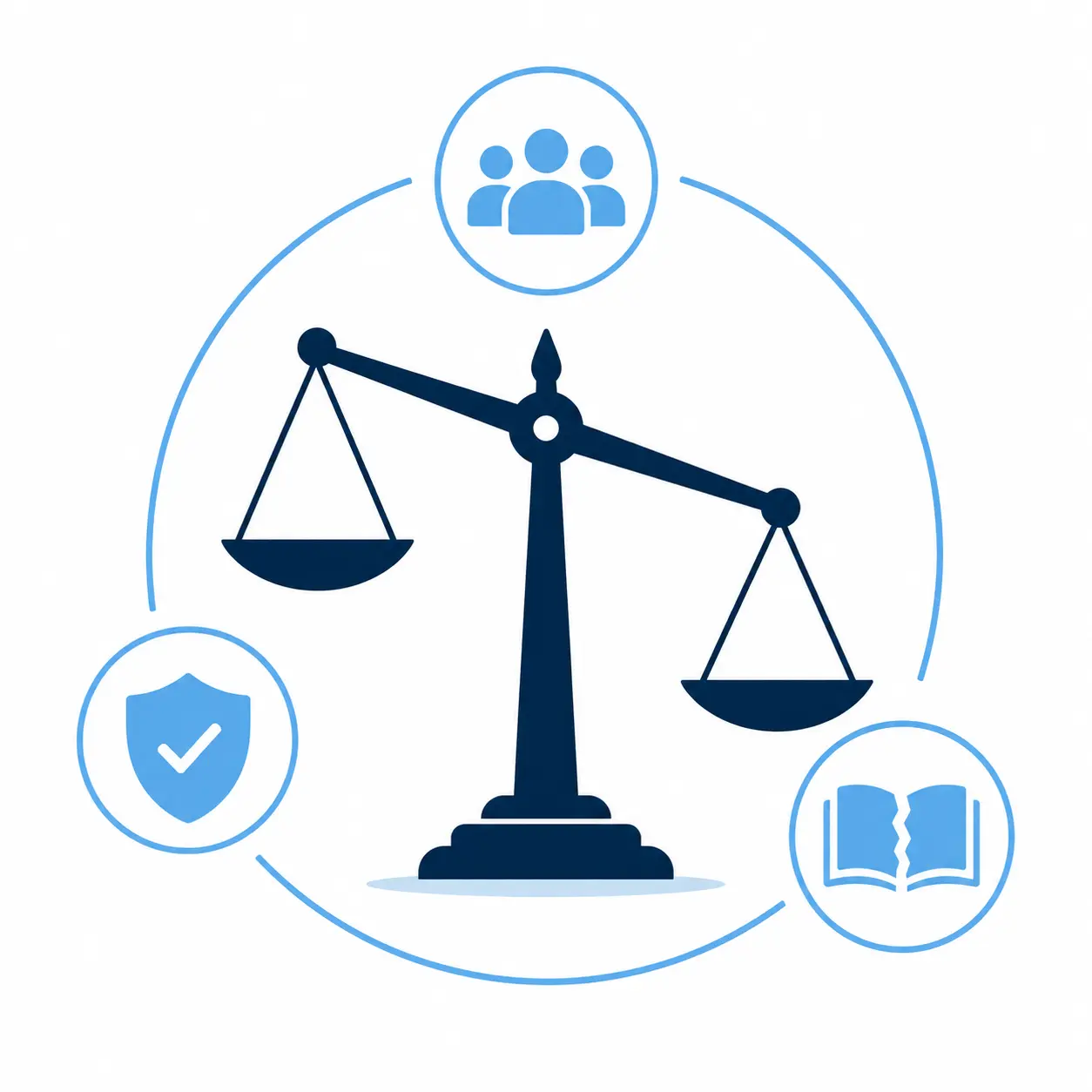
6. Weak or Missing Limitations Section
Every methodology has limitations, and pretending otherwise tends to backfire. A dissertation that doesn’t acknowledge its own constraints — sample size, time frame, potential bias — can read as either naive or evasive to an examiner who already knows those limitations exist.
How this gets caught: Talking through what an examiner would likely flag about your specific design helps you write a limitations section that shows awareness rather than defensiveness.
7. Copying an Approach Without Adapting It
Reusing a methodology from a published study or a supervisor’s past project is not wrong in itself, but doing so without adapting it to your own research question, context, or constraints often creates a poor fit that becomes obvious under scrutiny.
How this gets caught: Reviewing the borrowed approach against your specific question — what actually transfers, what doesn’t — helps you adapt it into something that genuinely fits your project.
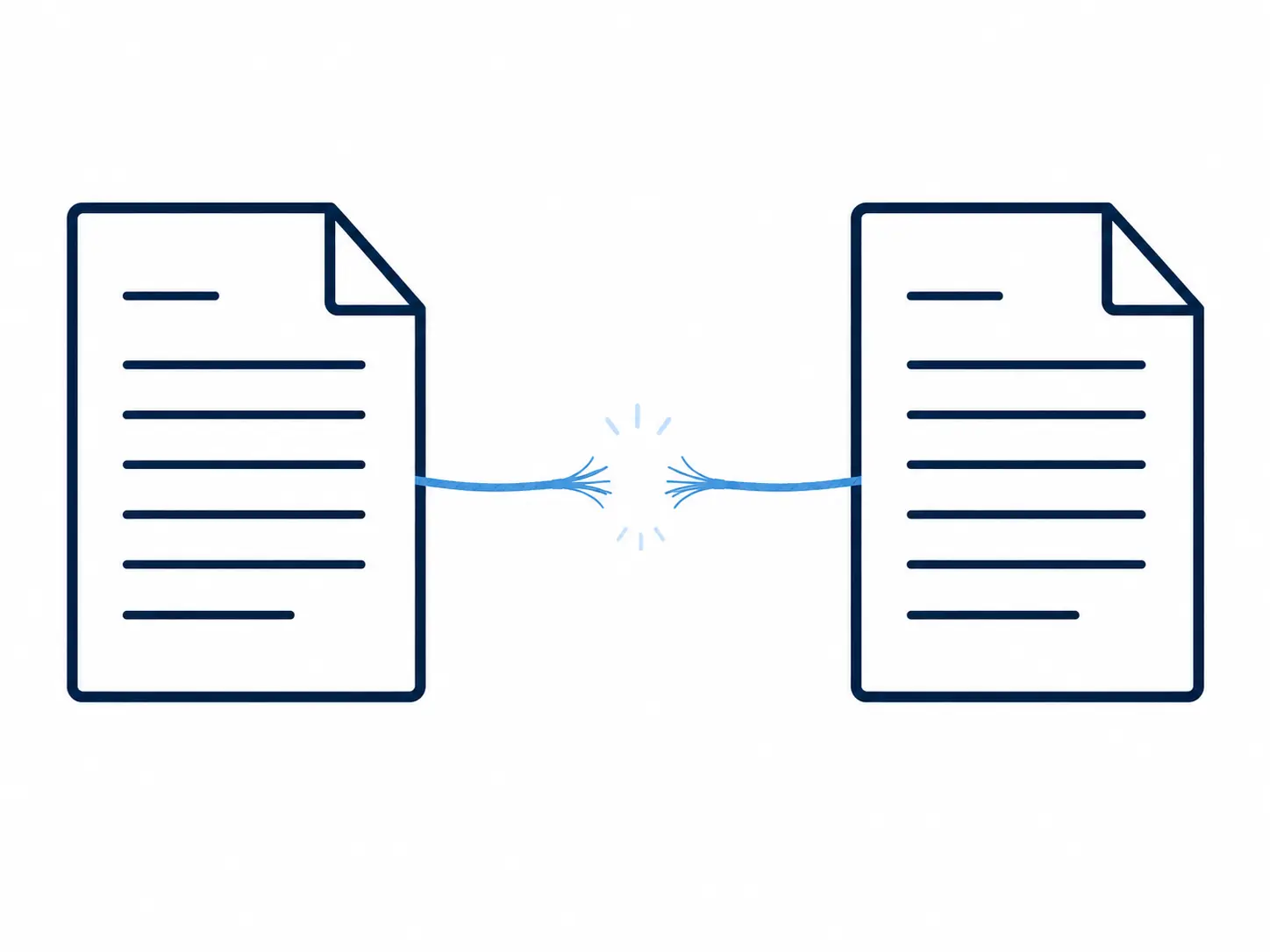
8. Methodology Disconnected From the Literature Review
A methodology chapter that reads as if it belongs to a different project than the literature review before it is a common and avoidable weakness. The theoretical framework you built earlier should visibly shape the methodological choices that follow it.
How this gets caught: Mapping the connective threads between your literature review and your proposed methodology — explicitly, in writing — closes this gap before it becomes visible to a marker.
9. Underestimating the Time Needed
Data collection and analysis routinely take longer than planned — recruiting participants, chasing survey responses, transcribing interviews. Dissertations built around unrealistic timelines often end up rushed at the analysis stage, where careful thinking matters most.
How this gets caught: Building a realistic, stage-by-stage timeline against your actual submission date, with buffer built in for the stages that typically overrun, reduces the chance of a late-stage scramble.
10. Skipping a Pilot Test of Instruments
Surveys, interview guides, and other research instruments that go untested often contain ambiguous questions, awkward phrasing, or gaps that only become obvious once real participants respond to them — usually too late to fix without losing data.
How this gets caught: Reviewing your instrument before it goes out, and talking through how a participant might realistically interpret each question, tends to catch problems a pilot test would otherwise reveal the hard way.
What These Mistakes Have in Common
Looking across all ten, a pattern emerges: almost none of them are failures of effort or intelligence. They’re failures of perspective. A student deep in their own project, working under deadline pressure, is often the worst-placed person to spot a mismatch between their research question and their chosen method, or to notice that a limitations section reads as an afterthought rather than a genuine acknowledgement of constraints. These are exactly the kinds of gaps that become obvious to someone reading with fresh eyes — a supervisor, an examiner, or a tutor — but by the time a supervisor or examiner spots them, the cost of fixing them has usually gone up.
This is also why timing matters more than most students expect. A mismatch caught while you’re still choosing a methodology costs you a conversation. The same mismatch caught after data collection has finished can cost you weeks of rework, or in the worst cases, a chapter that has to be substantially rebuilt. The value of catching these issues early isn’t just about avoiding criticism — it’s about protecting the time you have left before submission.
Where AssignPro Solution Fits In
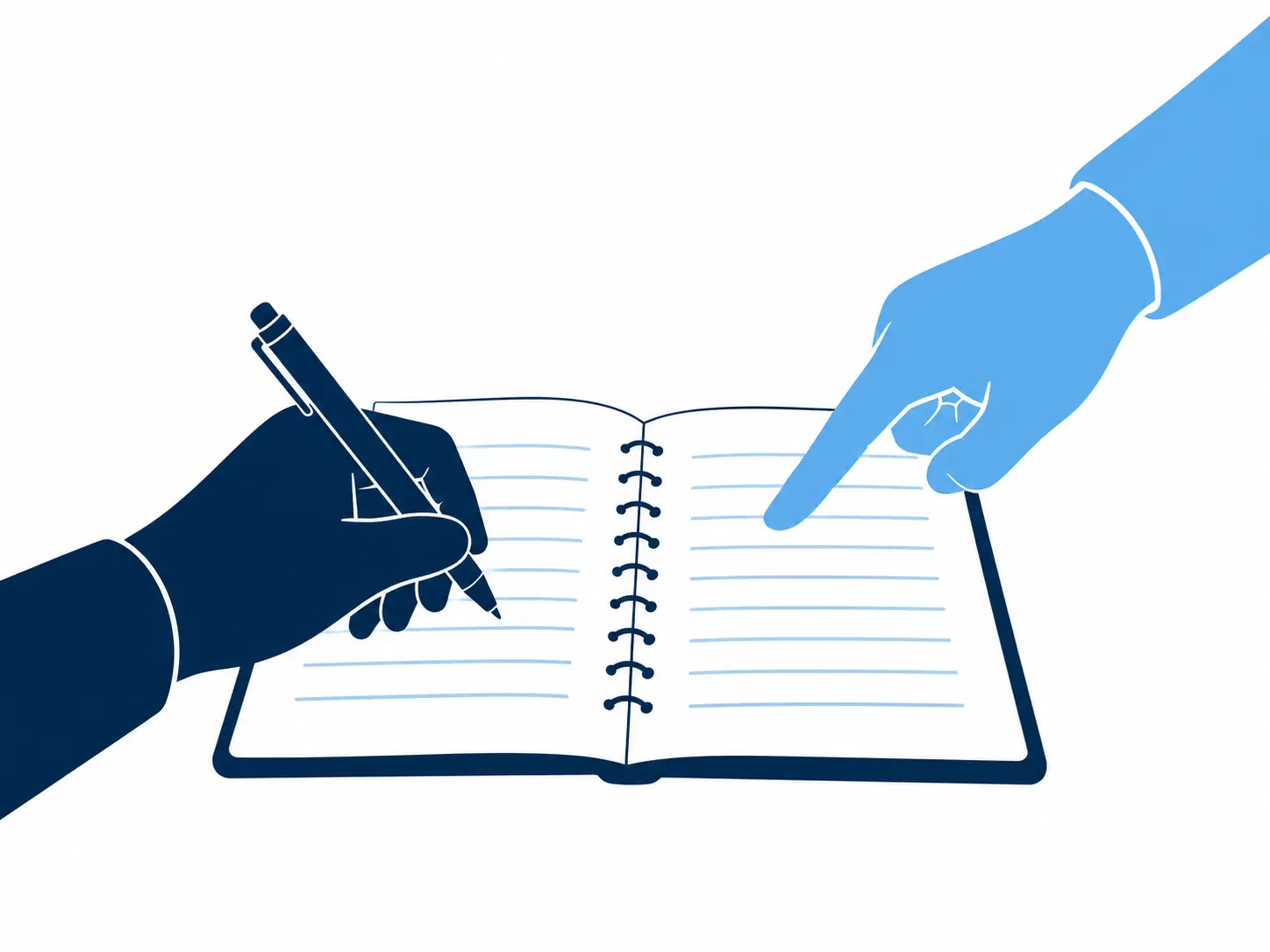
None of the fixes above involve someone else designing your methodology or writing the chapter for you. AssignPro Solution’s role is guidance: talking through your research question, reviewing your reasoning, and helping you spot the gaps described above while there’s still time to address them — before a supervisor meeting, before an ethics submission, before data collection begins. You remain the one making the decisions and doing the writing. If you’d like to see the specific fixes matched to each of these mistakes, our companion guide on fixing methodology problems covers that side in detail.
A Note on Academic Integrity
Academic tutoring and structured guidance of this kind are lawful and widely used by UK students. The Skills and Post-16 Education Act 2022 introduced an offence targeting services that complete assessed work for submission as a student’s own; its Explanatory Notes specifically state that ordinary tutoring and proof-reading fall outside that definition. As always, check your own university’s specific academic integrity policy, since institutions can word their expectations differently.
Frequently Asked Questions
Can AssignPro Solution help me choose my dissertation methodology?
Support focuses on talking through your research question and helping you evaluate which methodological approach genuinely fits it, with the reasoning explained — the decision remains yours.
Will someone write my methodology chapter for me?
No. Guidance is built around explanation, review, and structured feedback so that you write the chapter yourself, understanding the reasoning behind each choice.
Can I get help after I’ve already started writing, not just at the planning stage?
Yes. Many of the mistakes above are just as fixable partway through as they are at the outset — it depends on how far data collection has progressed.
Does this cover both quantitative and qualitative methodologies?
Yes, guidance is matched to your specific approach, whether that involves surveys and statistical analysis, interviews and thematic analysis, or a mixed-methods design.
How much does this kind of support cost?
Pricing is session-based and depends on your subject, level, and the scope of support needed. Message AssignPro Solution directly for a quote suited to your situation, with no obligation at the enquiry stage.
How do I get started?
Message AssignPro Solution describing your subject, your university level, and the specific methodology challenge you’re facing, and you’ll be matched with guidance suited to that need.
What if I don’t know which of these ten mistakes applies to me?
That’s a common starting point. Describing your current draft or plan is usually enough for a tutor to help identify which of these areas, if any, need attention — you don’t need to diagnose the problem yourself before asking.
Is it too late to get help if my ethics application has already been submitted?
No. If an ethics committee raises questions or asks for revisions, guidance can still help you understand and respond to that feedback, even though the original submission has already gone in.
If your methodology chapter is giving you trouble — whether you’re still choosing an approach or already stuck partway through writing it up — a focused conversation is often enough to see the gaps you can’t see from inside your own draft.